Episode 01
Everyone’s Worst Nightmare
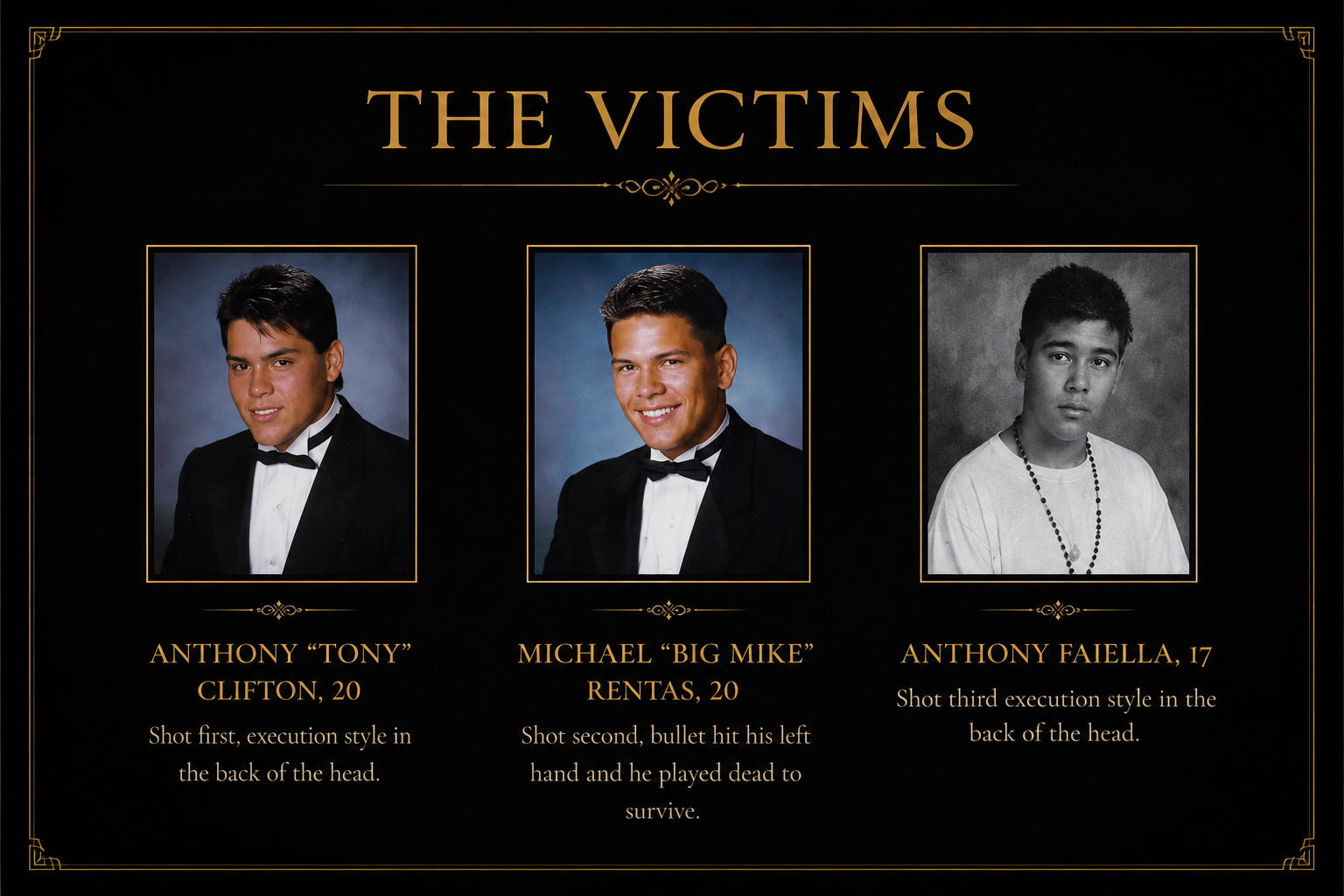
On Thanksgiving weekend 1992, four young people set out for a night in Kissimmee, Fla. Hours later, two would be dead, one would survive by playing dead, and a young woman would be left alone in a dark pasture.
In the premiere of Faded Ink, journalist Kristin Hurst revisits the crime that shocked Central Florida and became the first prosecution under the nation's new federal carjacking law. Through original reporting, archival newspaper coverage and new interviews with investigators, prosecutors and one of the convicted participants, Episode 1 reconstructs the events of that night and the decisions that forever changed the lives of everyone involved.
In this episode:
The final hours of Anthony Clifton, Anthony Faiella, Michael "Big Mike" Rentas and Tammy George.
The chain of events that led to the remote Osceola County pasture.
How one victim survived after pretending to be dead.
Why this case became a landmark federal prosecution.
Runtime: 24:17
EPISODE TRANSCRIPT
Episode 02
The Ringleader
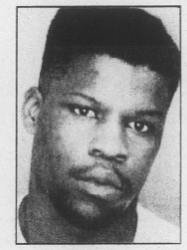
On the morning after the murders, investigators had two dead victims, two survivors and little idea who was responsible. But a series of breaks soon pointed them toward four young men from Polk County — including Gerard Booker, a man authorities would come to describe as the group’s ringleader.
Episode 2 follows the case from Gerard’s perspective as, more than three decades later, he tells Faded Ink what he remembers about that night, the role he played and why he disputes some of the facts that have become part of the accepted story.
In this episode:
Gerard’s upbringing in Polk County.
How a day of robbery escalated into kidnapping and murder.
What happened that night from Gerard’s perspective.
Why authorities identified Gerard as the ringleader — and why he disputes that label.
Gerard reflecting on his own responsibility for what happened.
Runtime: 25:06
EPISODE TRANSCRIPT
Episode 03
The Trials
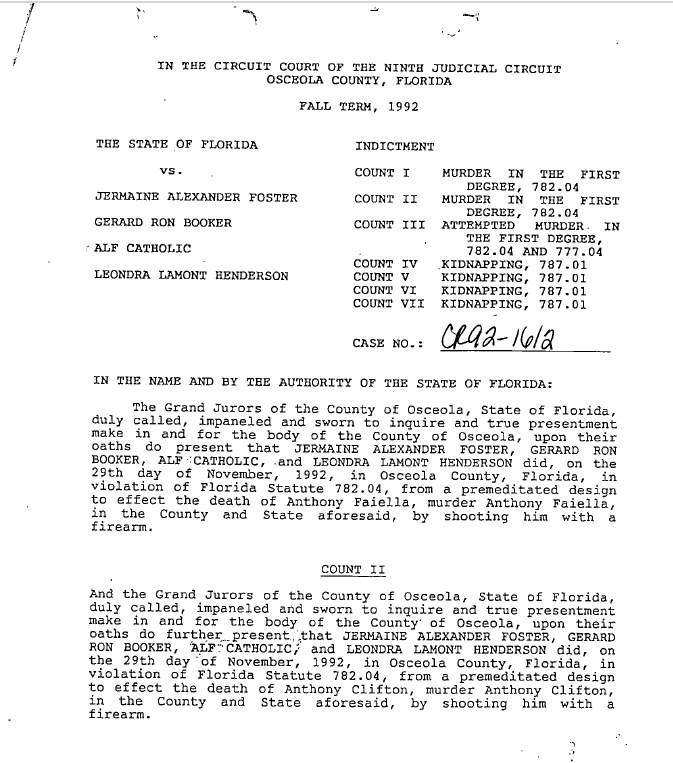
The Osceola murders happened just over a month after a new federal carjacking law took effect — making the case an early test of a crime statute born during a national carjacking epidemic.
Episode 3 traces the rise of carjacking in the early 1990s, the high-profile murder of Pam Basu that intensified pressure for federal action, and the two sets of trials for the Osceola case that followed in federal and state court. Along the way, prosecutors turned one defendant into a cooperating witness, tested the new law for the first tim, and ultimately secured dramatically different punishments for the four men involved.
In this episode:
How carjacking became a national crime story in the early 1990s.
The Pam Basu case and the push for a new federal law.
The first federal trial under the Anti Car Theft Act of 1992.
Why one of the defendants became a key prosecution witness.
How the federal case became a “dry run” for the state murder trials.
The sentences each man received.
Runtime: 24:26
EPISODE TRANSCRIPT
Episode 04
Equal Justice?

More than three decades after Jermaine Foster was sentenced to death, questions remain about how that punishment was reached. He was 19 when he committed the murders — legally an adult and old enough to face execution, but not old enough today to legally buy alcohol or tobacco. Scientists now know the brain is still developing into the early 20s.
Episode 4 examines the evidence and judgments that helped put Jermaine on death row: how youth, intellectual functioning and brain impairment should factor into capital punishment; what Florida’s death-penalty record shows about racial disparities; and how much confidence should be placed in key testimony from cooperating defendant Leondra “Manny Boy” Henderson.
In this episode:
What science now tells us about the developing brains of teenagers and young adults.
Why the law draws a sharp line at age 18 — even as brain science increasingly questions whether that line reflects how young adults actually develop.
The role Jermaine’s low intellectual functioning and brain impairment played at sentencing.
Florida’s history of racial disparities in death sentencing, particularly the race of the victim.
Inconsistencies and later disputes surrounding Manny Boy Henderson’s accounts of when Jermaine decided to kill.
How disputed facts can become more accepted as they are repeated through years of court records.
Runtime: COMING SOON
EPISODE TRANSCRIPT
Episode 05
May God Have Mercy
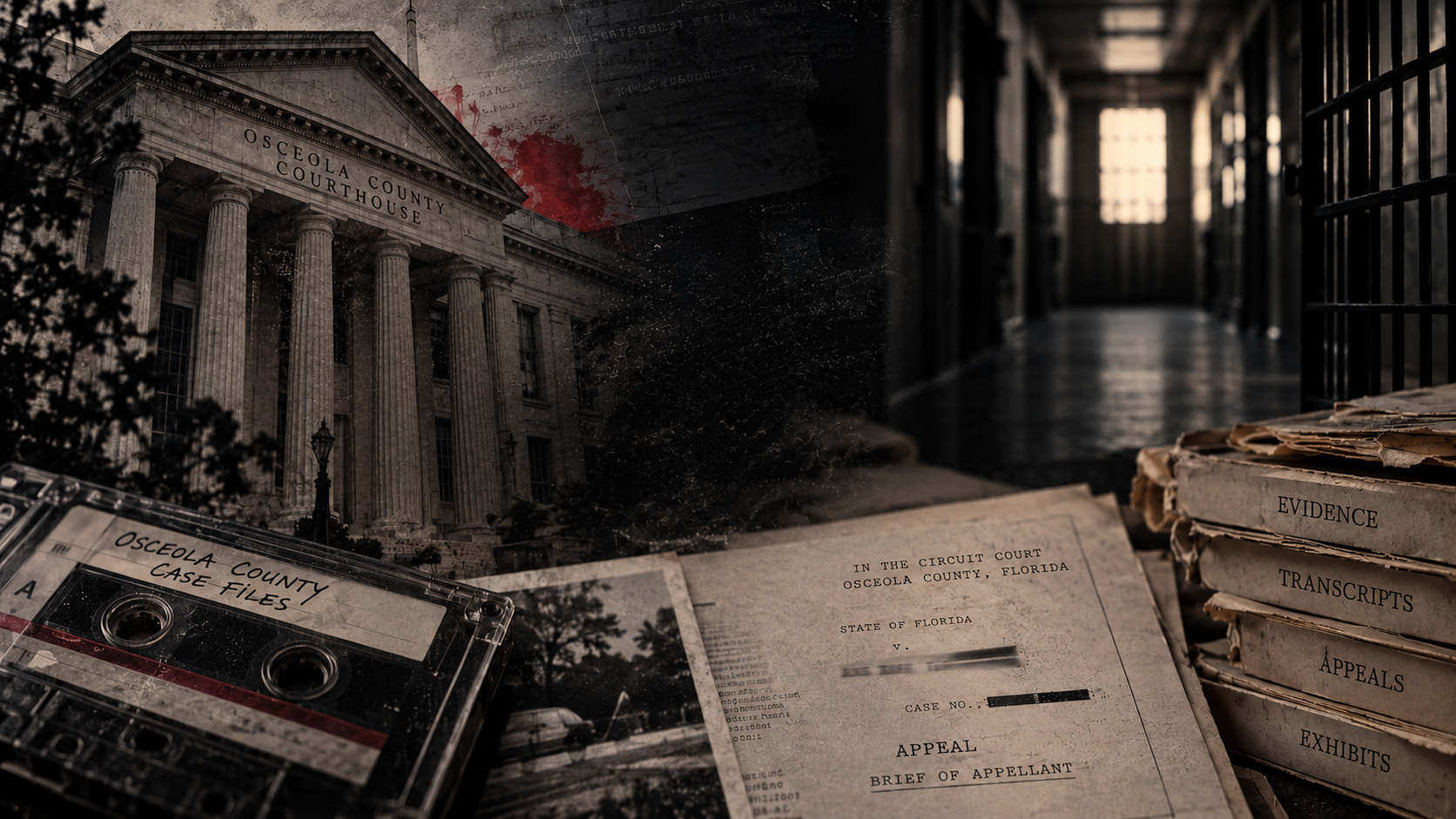
More than 30 years after Jermaine Foster was sentenced to death for the 1992 Osceola County carjacking murders, his legal battle continues. Laws have changed, key testimony has been challenged and courts have reconsidered earlier rulings. But Jermaine's death sentences remain in place.
In Episode 5, Faded Ink examines the decades of appeals, the evidence used to justify the death penalty and questions that have emerged from the original investigative records. As Jermaine's legal options become increasingly limited, one question remains: Should he be executed for crimes he committed at 19?
In this episode:
How Jermaine's intellectual limitations, documented brain damage and changes in the law have shaped his appeals.
The disputed testimony from Leondra “Manny Boy” Henderson that helped establish the murders as planned in advance.
Recorded jail calls and new testimony that prompted another legal challenge.
Discrepancies between the original investigative records and accounts presented in later court proceedings.
Where Jermaine's case stands today and what legal options remain.
Runtime: COMING SOON
EPISODE TRANSCRIPT
Episode 6
If Only

The Osceola County carjacking murders can still be traced through a series of moments when one small change might have produced a very different outcome. If only the South Florida drug dealers had never made the trip to Auburndale. If only Anthony Faiella and Mike Rentas had gone home earlier that night. If only the St. Cloud police officer who heard the collision had stepped outside.
In the final episode, Faded Ink revisits those “if onlys” and looks at what became of the people whose lives were forever changed by one night in November 1992. Some have spent decades in prison and one has gotten another chance at freedom. And for the victims and their families, the consequences have lasted a lifetime.
In this episode:
The chance decisions and missed opportunities that might have changed what happened that night.
What became of survivors Mike Rentas and Tammy George after the murders.
Leondra “Manny Boy” Henderson's release from prison and his life afterward.
Gerard Booker’s thoughts on prison reform.
A final look at the people, families and lasting consequences of the Osceola County carjacking murders.
Runtime: COMING SOON
EPISODE TRANSCRIPT